


Summary of the Seminar on the Transformation of Tax Crime Governance in the New Era and Launch Ceremony of Criminal Trial Reference: Special Issue on the Punishment of Crimes Against Tax Collection an
 April 2, 2026, 11:41 a.m.
6775Views
April 2, 2026, 11:41 a.m.
6775Views
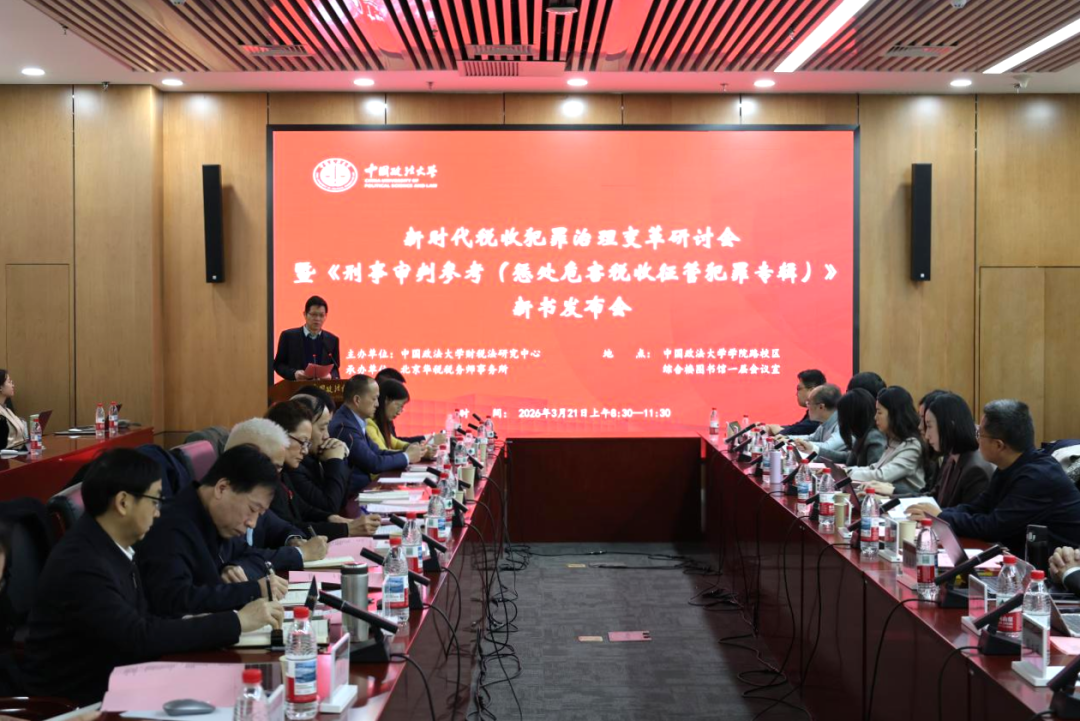
On the morning of March 21, 2026, the Seminar on the Transformation of Tax Crime Governance in the New Era, coupled with the official launch of Criminal Trial Reference: Special Issue on the Punishment of Crimes Against Tax Collection and Administration, was successfully convened at the China University of Political Science and Law (CUPL). Co-hosted by CUPL’s Research Center for Fiscal and Tax Law and organized by HuaShui Law Firm, the event centered on the reform of tax crime governance in the new era alongside the release of the specialized publication dedicated to the judicial practice of handling crimes against tax collection and administration. It brought together leading experts, scholars and practitioners from the judiciary, academia, tax authorities and related sectors, who held in-depth discussions, exchanged insights and built consensus around the landmark cases and judicial experience compiled in the new publication, injecting new perspectives and momentum into the advancement of tax crime governance in China.
The conference was moderated by Professor Shi Zhengwen, Director of CUPL’s Research Center for Fiscal and Tax Law. Distinguished guests who attended and delivered opening remarks include: Zhou Guangquan, Vice Chairperson of the Constitution and Law Committee of the National People's Congress; Lin Zhinong, Editor-in-Chief of the People's Court Press; Dong Baojun, Deputy Chief Judge of the No.4 Criminal Tribunal of the Supreme People's Court (SPC); Liu Jianwen, President of the Fiscal Law Society of the China Law Society; and Liu Yanhong, Vice President of CUPL.
I. Opening Remarks
1. Remarks by Professor Zhou Guangquan
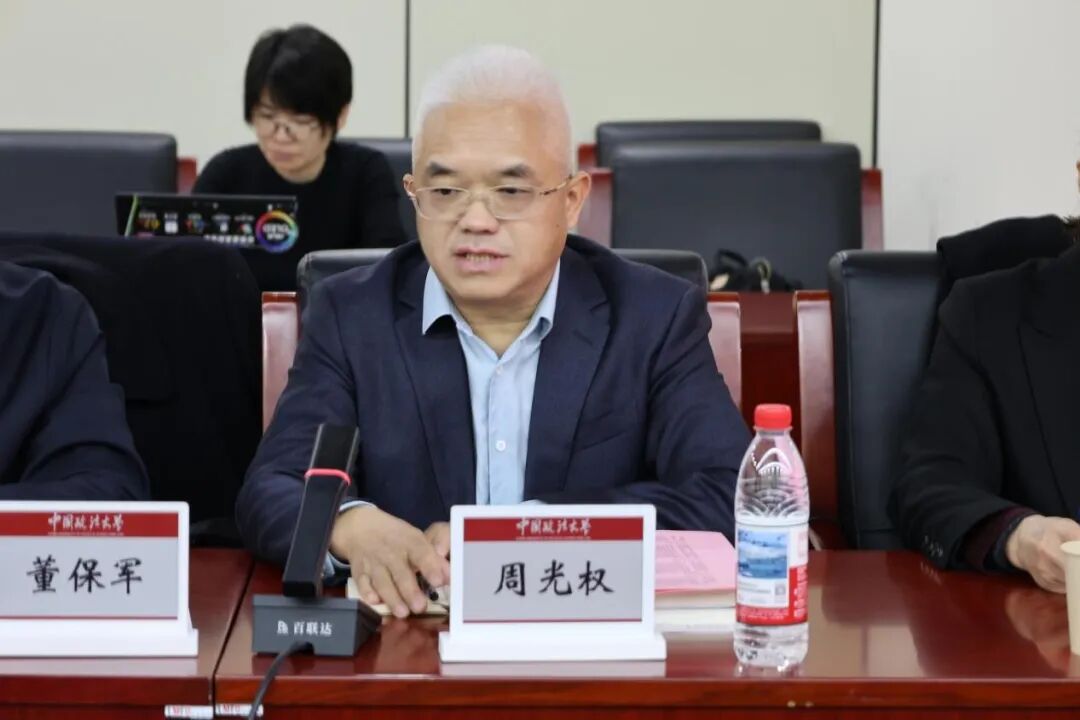
Professor Zhou Guangquan, vice Chairperson of the Constitution and Law Committee of the National People's Congress, spoke highly of the conference and expressed earnest expectations for its outcomes, explicitly stressing that the determination of tax crimes must prioritize the specific appropriateness of adjudication conclusions. He emphasized that tax crime governance must uphold systematic thinking and resolute crackdowns on tax-related offenses, while giving equal weight to the appropriateness of rulings. It requires proper alignment with tax laws, and close alignment with the core goals of tax system reform: fostering tax sources, increasing state fiscal revenue, and promoting sound economic development, rather than merely pursuing the number of convictions for a specific offense. The crackdown on tax crimes must firmly adhere to the core principles of "promoting sound economic development, precise crackdowns, and punishing the guilty while freeing the innocent".
In addition, referencing a case included in the special issue involving the obtainment of local fiscal subsidies through the false issuance of special value-added tax (VAT) invoices, Professor Zhou pointed out that as the focus and patterns of crimes evolve, legal interpretation and analytical methods must keep pace with the times to adapt to new development needs. Finally, he stressed that the fundamental of tax crime governance lies in advancing tax system reform and implementing the principle of statutory taxation. At present, modern supervision tools such as big data are playing a pivotal role in tax crime governance, leading to a significant drop in violent false issuance offenses. Going forward, the advancement of science and information technology will further curb tax crimes and boost the sustained and sound development of China's market economy.
2. Remarks by Editor-in-Chief Lin Zhinong
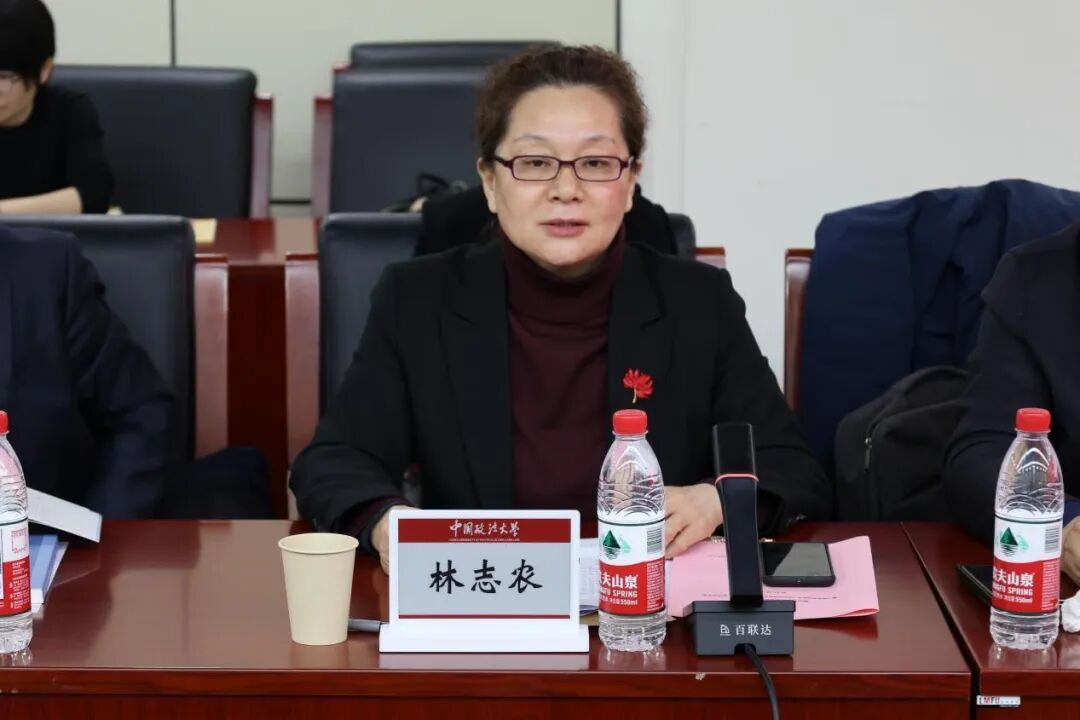
Lin Zhinong, editor-in-chief of the People's Court Press, stated that taxation is the core pillar of state finance. At present, tax-related crimes are evolving with increasingly sophisticated modus operandi, presenting notable difficulties in detection, evidence collection, characterization and disposal, which pose severe challenges to judicial trials and comprehensive governance. The SPC has always attached great importance to the trial of tax-related criminal cases, safeguarding national tax security and market economic order by issuing judicial interpretations, releasing guiding typical cases, strengthening inter-departmental coordination, and imposing severe penalties for tax-related offenses including false invoice issuance and tax evasion. This seminar, which focuses on cutting-edge issues in tax crime governance and integrates theory with practice, is of great significance to advancing the development of tax rule of law in China.
He noted that the newly released special issue is derived from the SPC’s authoritative Criminal Trial Reference series, and is the press’s first ever special publication dedicated to tax-related crimes. The book selects representative typical cases to interpret the law through adjudication practice, clarifies trial thinking and evidence logic, and addresses long-standing practical difficulties such as the administrative prepositive procedure for tax evasion offenses and the determination of unit crimes. It comprehensively includes tax-related laws, regulations, judicial interpretations and guiding documents for convenient practical reference, and also features practical articles written by SPC judges and research findings from leading experts and scholars. It not only lays a solid practical foundation for academic research, but also helps unify judicial standards and improve the efficiency of tax crime governance.
3. Remarks by Deputy Chief Judge Dong Baojun
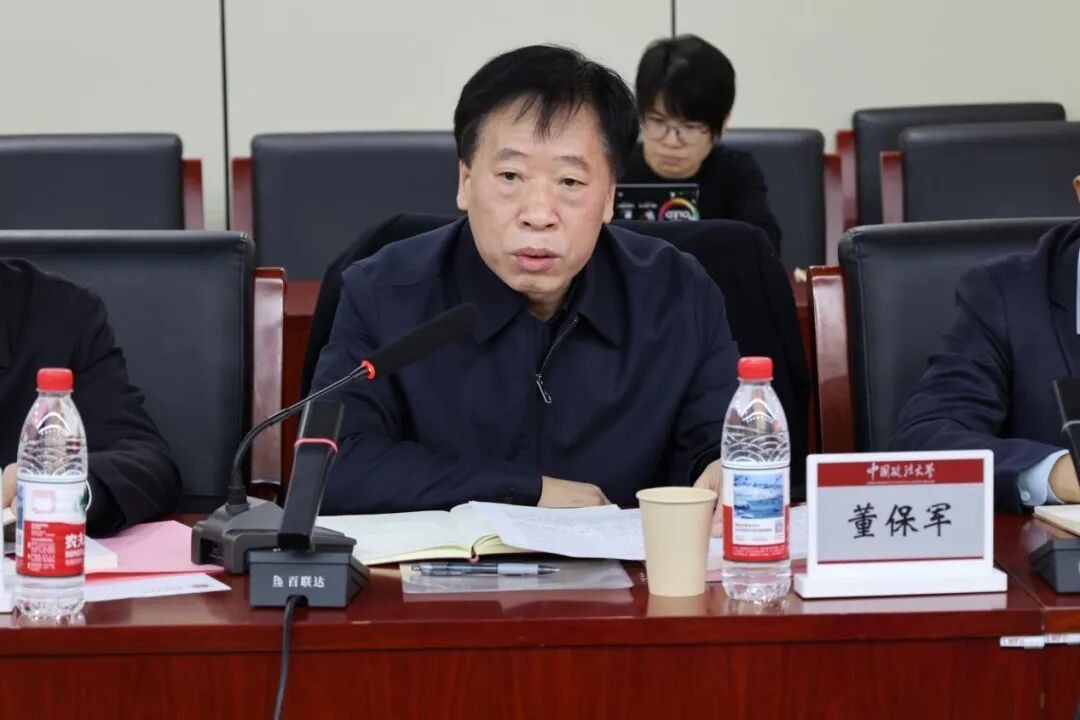
Dong Baojun, deputy Chief Judge of the No.4 Criminal Tribunal of the Supreme People's Court,pointed out that taxation is the foundation of state operation, with self-evident importance. At present, crimes that directly harm state tax revenue, such as tax evasion and tax fraud, as well as various invoice-related offenses, still pose substantial social harm. Cracking down on tax crimes has consistently been a key priority of people's courts at all levels, and is an inherent requirement for ensuring high-quality development through high-quality judicial services.
In March 2024, the SPC and the Supreme People's Procuratorate (SPP) jointly issued the Judicial Interpretation on Tax-Related Criminal Cases, which provides comprehensive and systematic provisions on the conviction, sentencing and law application for crimes against tax collection and administration, in response to prominent issues reflected in judicial practice in recent years. In particular, it clarifies the criteria for distinguishing between the crime of tax evasion and the crime of falsely issuing special VAT invoices, and improves the conditional non-prosecution system for criminal liability for tax evasion offenses, marking a milestone in the field.
After the issuance of the judicial interpretation, among first-instance tax-related criminal cases accepted by courts nationwide, the proportion of convictions for the crime of falsely issuing special VAT invoices has shown a year-on-year downward trend. In contrast, the application rate of misdemeanors including the crime of tax evasion, the crime of falsely issuing invoices, and the crime of illegally purchasing special VAT invoices has increased significantly over the same period. This shift is closely linked to the restrictive interpretation of the crime of falsely issuing special VAT invoices stipulated in the judicial interpretation.
The life of the law lies in its implementation, and the same holds true for judicial interpretations. To promote the full implementation of the judicial interpretation, guide judges to establish a scientific judicial philosophy, ensure accurate conviction and sentencing, and safeguard judicial justice, the SPC meticulously compiled the Criminal Trial Reference: Special Issue on the Punishment of Crimes Against Tax Collection and Administration on the basis of releasing 8 typical tax-related criminal cases in November 2025. Through specific representative cases, the publication clearly elaborates on the underlying philosophy, legislative spirit and adjudicative rules of the judicial interpretation, so as to resolve differences in judicial practice and better guide trial work across the country.
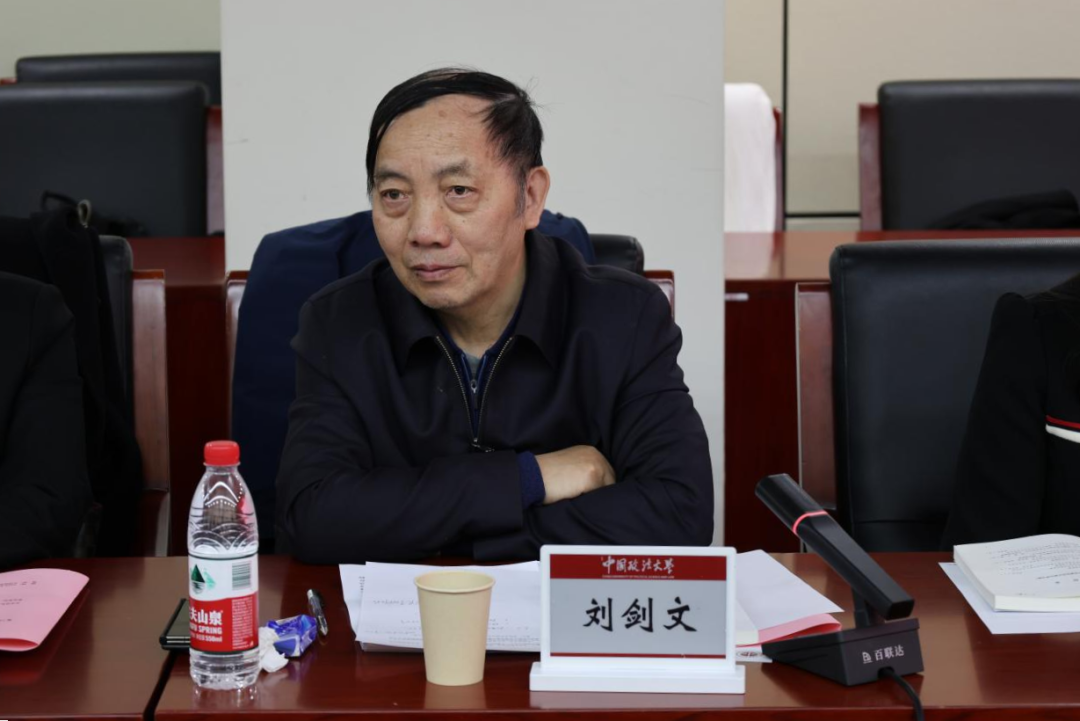
4. Remarks by Professor Liu Jianwen
Professor Liu Jianwen,president of the Fiscal Law Society of the China Law Society, pointed out that the Criminal Trial Reference: Special Issue on the Punishment of Crimes Against Tax Collection and Administration provides authoritative adjudicative guidance for judicial practitioners to determine guilt or innocence, and to distinguish between this crime and that crime. Its release will significantly empower tax risk governance in the new era and elevate China's tax crime governance capacity to a new level. As the only special publication on tax-related crime trials in China's official trial guidance series, its publication has landmark guiding significance for the trial of tax-related criminal cases.
He stated that the convening of this conference will help strengthen the adjudication of tax crime cases, uphold tax fairness and justice, facilitate in-depth dialogue and coordinated alignment between tax law and criminal law, and promote the deep integration of theory and practice. It is hoped that participants will generate more insightful ideas through exchanges, and provide support for the integrated development of fiscal and tax rule of law and criminal rule of law in the new era.
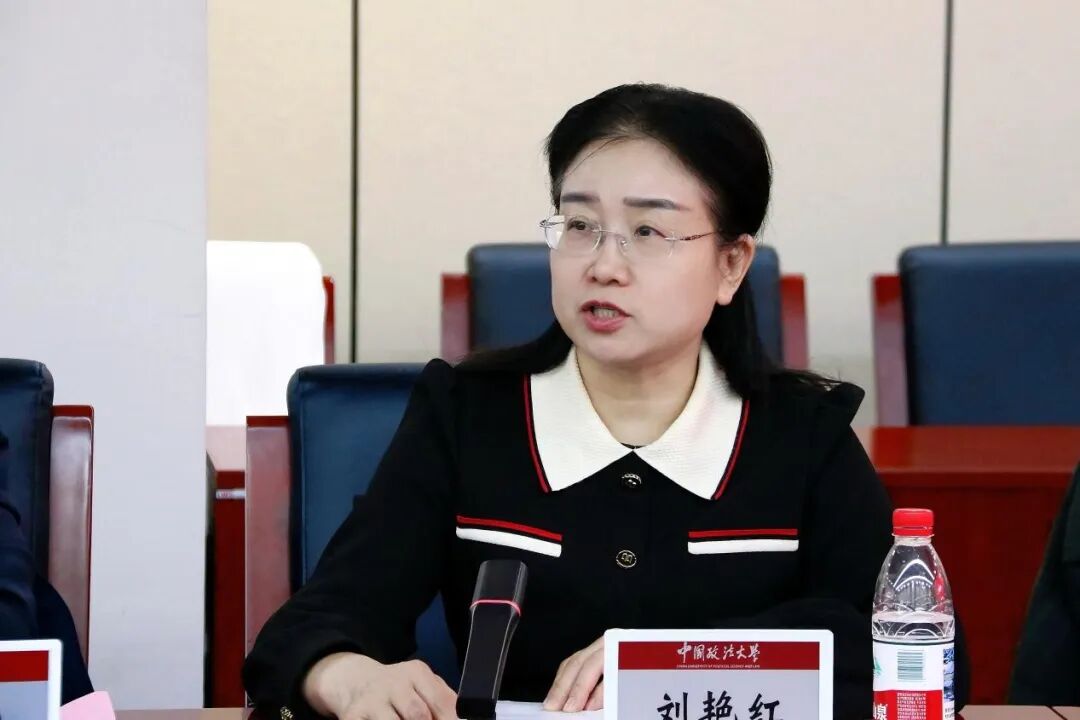
5. Remarks by Professor Liu Yanhong
Professor Liu Yanhong,vice President of China University of Political Science and Law,pointed out that with the vigorous development of the private economy and market economy, tax-related crimes are on the rise, and many acts previously recognized as crimes have gradually become controversial amid the changes of the times. From the perspective of the intersection of administrative, civil and criminal laws, based on the principle of the unity of legal order, and in line with the inherent rule of law spirit of the two core principles of legality and statutory taxation, the determination of tax crimes must uphold the concept of "formal incrimination and substantive decriminalization" in legal interpretation. This approach not only unleashes development vitality for private enterprises, but also provides a scientific legal interpretation method for the accurate determination of tax crimes.
She emphasized that the Criminal Trial Reference: Special Issue on the Punishment of Crimes Against Tax Collection and Administration exclusively focuses on the tax field, covering tax-related administrative cases, criminal cases, relevant judicial interpretations and official replies, forming a complete system from legal provisions to practical cases. As a comprehensive one-stop reference in the field of tax crime governance, it plays an irreplaceable guiding role in relevant theoretical research and judicial practice.
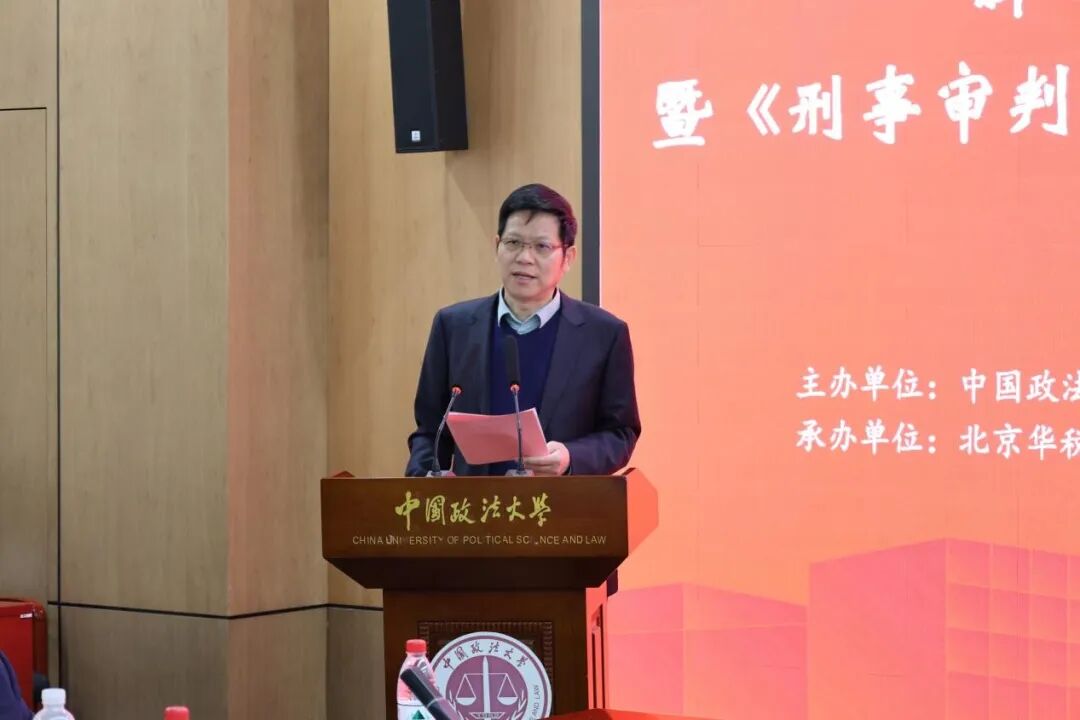
6. Moderator's Opening Address by Professor Shi Zhengwen
Professor Shi Zhengwen,director of CUPL’s Research Center for Fiscal and Tax Law, stated in his moderation that this year marks the first year of the 15th Five-Year Plan period, and China's Chinese path to modernization has entered a new stage. To implement the arrangements of the national Two Sessions and advance the goal of basically realizing socialist modernization by 2035 through high-quality development, we must adhere to the theme of promoting high-quality development, further advance comprehensive law-based governance, enhance the driving force for high-quality development, and fully stimulate the vitality of various business entities.
Therefore, punishing crimes against tax collection and administration in accordance with the law, protecting the legitimate rights and interests of market entities, and serving and ensuring high-quality development are the core mission and key functions of tax criminal judicial work in the new era. In 2024, the SPC and SPP jointly issued the Judicial Interpretation on Tax-Related Crimes, which, based on the new era, new conditions and new tasks, centers on restricting the application of the crime of falsely issuing special VAT invoices, and introduces systematic and major adjustments to tax criminal law. This milestone document reflects the SPC and SPP’s commitment to upholding fairness and justice, faithfully performing statutory duties, and adhering to integrity and innovation.
Professor Shi also pointed out that China's tax system reform and tax collection and administration have been continuously deepened, the new VAT Law has been officially implemented, and the tax system reform is optimized toward increasing the proportion of direct taxes. Accordingly, the focus of tax criminal regulation needs to be expanded from VAT-related crimes to crimes related to other major taxes, and the new tax system reform calls for the simultaneous improvement of the criminal legal system.
Judicial protection of taxation is not limited to the criminal field. With the expected gradual abolition of the pre-payment threshold for tax disputes, tax administrative litigation will see further development. There are also a large number of tax-related civil cases in civil trials. Therefore, civil, administrative and criminal justice in the tax field must realize collaborative governance, adhere to the organic unity of punishing crimes and fostering tax sources, and attach equal importance to conviction and governance.
Building a tax governance system in the new era requires interdisciplinary and inter-departmental collaboration and coordinated linkage. While punishing crimes in accordance with the law, attention should be paid to the restoration of legal interests and source governance, so as to promote the modernization of the tax governance system and governance capacity.
II. Keynote Speeches
After the opening remarks, the conference entered the keynote speech session. Eight leading experts from the judiciary, academia and practical field delivered speeches in turn, with their core views separately presented below.
1. Speech by Presiding Judge Yao Longbing
Judge Yao Longbing emphasized that the unity of subjective and objective elements is a fundamental principle of criminal law. On the one hand, a criminal offense must have both subjective and objective elements, neither of which is dispensable. On the other hand, we must resolutely oppose the two one-sided tendencies of subjective imputation and objective imputation, and this principle is also a core guideline for criminal legislation. However, in judicial practice, there are still instances of objective imputation solely on the grounds of the significant social harmfulness of an act.
The 2024 SPC and SPP Judicial Interpretation on Tax-Related Crimes fully implements the principle of the unity of subjective and objective elements. In view of the ongoing disputes in judicial practice regarding whether an act of false issuance for the purpose of tax evasion, which objectively results in underpayment of taxes, does not constitute the crime of falsely issuing special VAT invoices, the SPC released 8 typical tax-related criminal cases in November 2025. Among them, the Guo and Liu tax evasion case was included in the special issue, further clarifying relevant adjudicative rules in the form of a guiding reference case.
Regarding the subjective element of the crime of falsely issuing special VAT invoices, Presiding Judge Yao made it clear that the expression "not for the purpose of defrauding tax payments, and no tax payment was defrauded or lost due to deduction" fully confirms that the crime requires the perpetrator to have the subjective purpose of defrauding tax payments. This is consistent with the SPC’s long-standing position of teleological restrictive interpretation, which excludes false issuance acts without the purpose of defrauding tax payments from the scope of this felony.
On the objective element of the crime, he summarized three core points:
- First, the determination of false issuance must distinguish between crime and non-crime. False issuance of special VAT invoices may also be a means of general tax evasion, and not all untrue false issuance acts shall be recognized as criminal offenses;
- Second, the determination of harmful consequences must clearly distinguish between the result of evading tax payment and the result of defrauding tax payment, and the crime of tax evasion can also be established in the VAT field;
- Third, the determination of falsely issuing invoices for others or introducing others to falsely issue invoices must also strictly implement the principle of the unity of subjective and objective elements.
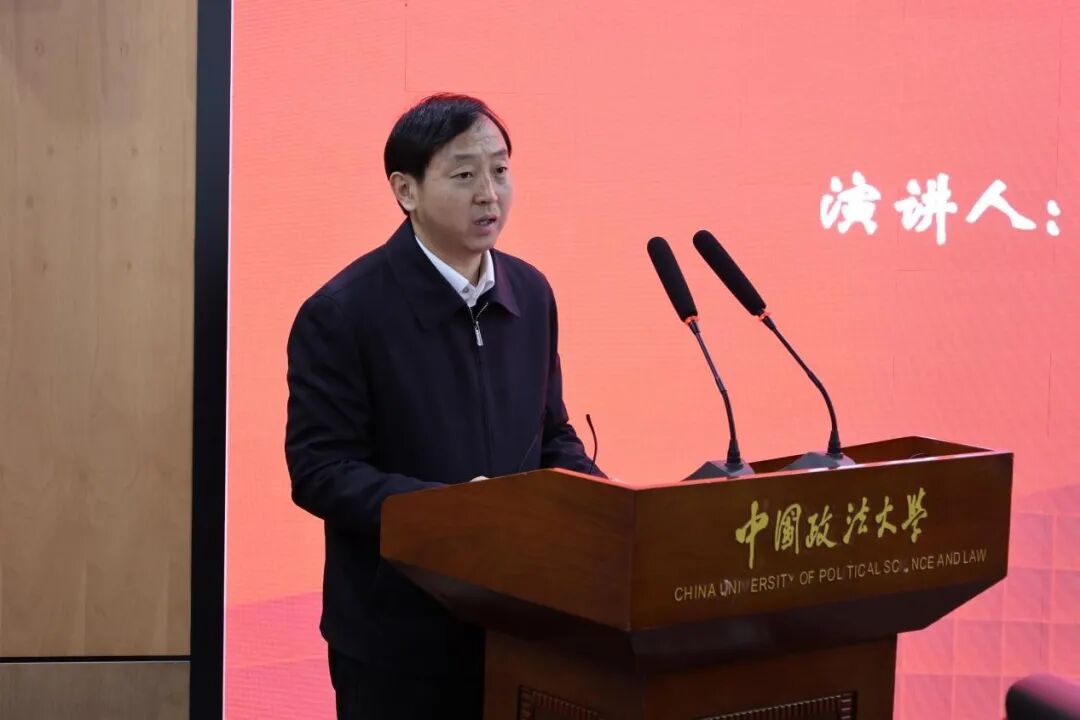
2. Speech by Professor Liu Jianwen
Professor Liu Jianwen put forward that the rule of law is a core focus for optimizing the business environment. Tax law and criminal law, which are directly related to the personal freedom and property rights of market entities, are the two core cornerstones of a sound business environment. Judicial interpretations undertake the important function of refining legal provisions and filling legal gaps. Their core role is to clarify the boundary between illegality and crime, and the criteria for distinguishing between different offenses, prevent the expansion of criminal crackdowns, provide stable behavioral expectations for market entities, and set clear adjudicative guidelines for judicial organs.
A sound law is a prerequisite for good governance. The 2024 SPC and SPP Judicial Interpretation on Tax-Related Crimes is a systematic interpretation of Section 6 of Chapter III of the Criminal Law, "Crimes Against Tax Collection and Administration". Its function lies not only in cracking down on tax-related crimes, but also in exerting deterrent and educational functions, guiding market entities to operate in accordance with the law, and promoting corporate compliance construction.
In addition, he emphasized that the "invoice-only doctrine" is not advisable in the handling of tax-related criminal cases. The core of the review of current tax-related criminal cases is the review of tax losses – whether the act has caused national tax losses is the essential feature of tax crimes. Based on the review of tax losses, it is possible to reasonably presume whether the perpetrator has the subjective purpose of tax fraud, and then comprehensively judge the nature of the act and the scope of punishment under the principle of the unity of subjective and objective elements.
This shift from "invoice violation review" to "tax loss review" is not only a manifestation of the precise application of criminal law, but also an inevitable requirement for modern tax risk governance and the protection of the sound operation of national finance. As a safeguard and supplementary law to civil law and tax law, criminal law should be applied with caution if the act only infringes on the invoice management order without causing tax losses, which is the core requirement of the principle of criminal restraint.
3. Speech by Professor Zhou Guangquan
Professor Zhou Guangquan made it clear that an act committed for the purpose of not paying or underpaying tax, and resulting in underpayment of tax within the scope of taxable obligations, shall be convicted and punished for the crime of tax evasion, rather than the crime of falsely issuing special VAT invoices. He pointed out that false issuance by shell companies cannot be uniformly recognized as the crime of false issuance, and the crime of illegally selling special VAT invoices should be applied with extreme caution.
For the characterization of the crime of falsely issuing special VAT invoices, judicial practice should focus on reviewing the link and specific amount of tax losses in combination with the complete VAT deduction chain. Combined with the common issue of false issuance of surplus invoices in practice, Professor Zhou further pointed out that in surplus invoice false issuance cases, if the invoice recipient obtains the invoice for non-tax fraud purposes such as financing and loans, and does not use it for tax deduction or cause national tax losses, the act complies with the provisions of Paragraph 2 of Article 10 of the 2024 SPC and SPP Judicial Interpretation on Tax-Related Crimes, and does not constitute the crime of falsely issuing special VAT invoices.
To determine whether a false issuance crime is constituted, it is necessary to clarify from the perspective of tax law whether tax losses occur and in which link the losses take place, and then adhere to the principle of the unity of legal order to properly determine the establishment of the crime.
4. Speech by Professor Shi Zhengwen
Professor Shi Zhengwen emphasized that the governance of tax-related crimes should be viewed from a multidisciplinary perspective and in keeping with the times. First, tax-related crime governance must be aligned with economic and social development realities. The establishment and expanded interpretation of the crime of falsely issuing special VAT invoices have their specific historical background, adapting to the economic environment and collection and administration level at that time. At present, with tremendous changes in China's economic and social development and tax collection and administration technology, the construction of the rule of law requires precise law enforcement and accurate conviction, and tax-related crime governance must actively adapt to the changes of the new era.
Second, judicial interpretations must respond to the needs of judicial practice and abide by the principle of legality. From the perspective of teleological interpretation and systematic interpretation, false issuance acts can be divided into tax evasion-type false issuance and tax fraud-type false issuance. The 2024 SPC and SPP Judicial Interpretation on Tax-Related Crimes is exactly the supplement and improvement of the Criminal Law provisions, which fully meets practical needs.
Third, the core of the determination of tax-related crimes is the protection of legal interests. It is necessary to distinguish between administrative violations and criminal crimes, felonies and misdemeanors according to the type and degree of legal interests infringed by the act, so as to avoid the expansion of criminal crackdowns.
Finally, Professor Shi emphasized that tax-related crime governance needs to strengthen multidisciplinary collaboration, focus on the core element of tax losses, reduce criminal accountability solely on the grounds of invoice violations, and promote the transformation of tax crime governance toward precision and scientization.
5. Speech by Director Teng Xiangzhi
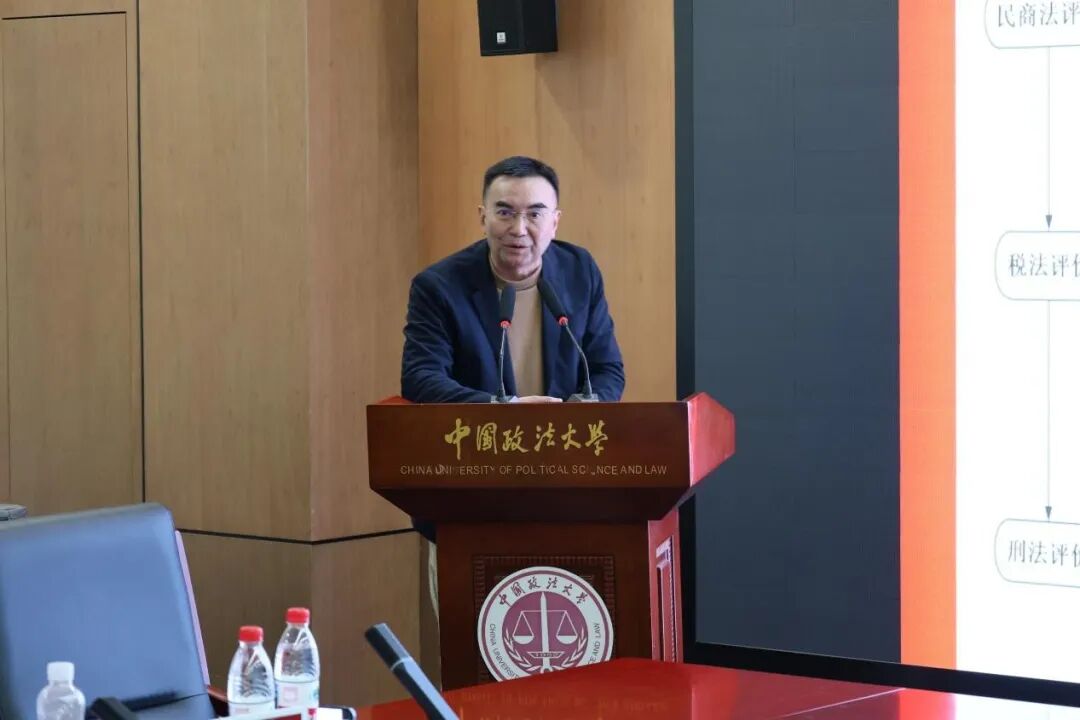
Director Teng Xiangzhi elaborated on the theory of transaction characterization in tax law, making it clear that a transaction must first be evaluated by civil and commercial law, then by tax law, and finally subject to a third evaluation by criminal law. Only through the organic connection and coordination of the three evaluations can the accurate determination of tax crimes be achieved.
Combined with the analysis of relevant normative documents, he pointed out that acts such as qualification borrowing and affiliated operation in civil law constitute a tax payment withholding relationship in tax law, which does not cause national tax losses and shall not be recognized as false issuance crimes in criminal law. The issuance of the 2024 SPC and SPP Judicial Interpretation on Tax-Related Crimes has effectively resolved long-standing difficulties in judicial practice, such as the determination of false issuance crimes in name-changing sales cases.
For tax-related crime governance, comprehensive judgment on the nature of the act should be made in combination with the principle of the unity of subjective and objective elements on the basis of civil and commercial law and tax law evaluation, so as to realize the unity of legal order.
6. Speech by Director Liu Tianyong
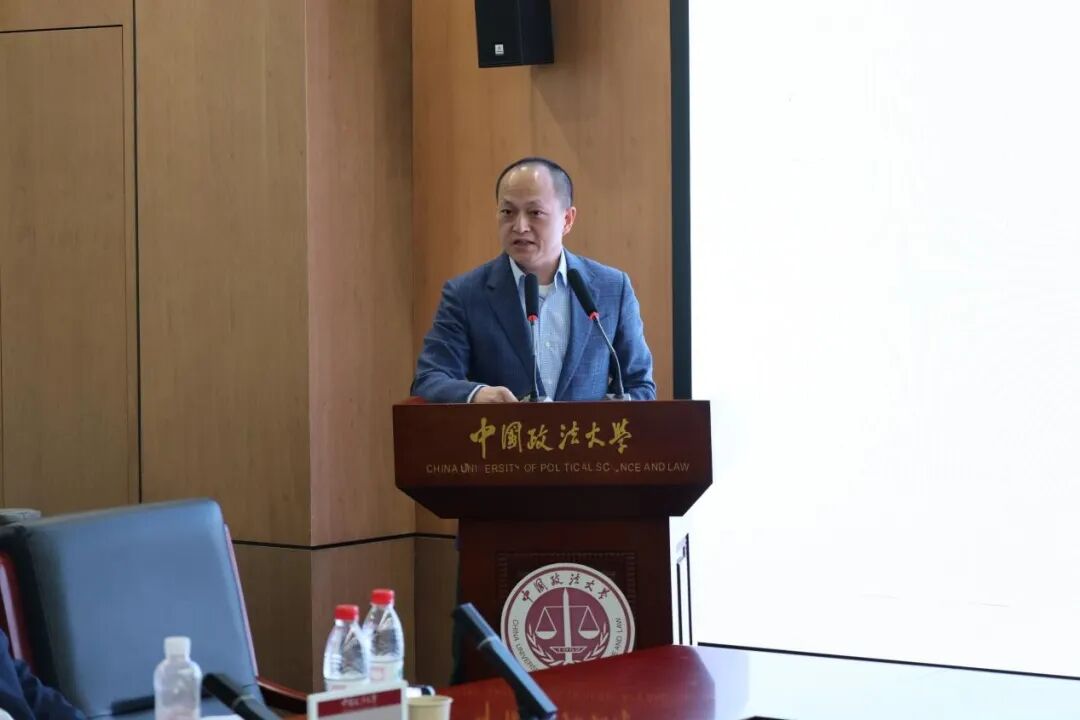
Director Liu Tianyong, based on the criminal judgment data of false invoice cases published on China Judgements Online from March 2024 to December 2025, pointed out that the application of charges in current false invoice cases presents a trend of diversification and transformation from felonies to misdemeanors. A number of cases were finally convicted and punished for misdemeanors such as the crime of illegally purchasing special VAT invoices, the crime of tax evasion, and the crime of falsely issuing invoices.
This change fully reflects that the 2024 SPC and SPP Judicial Interpretation on Tax-Related Crimes has provided clear adjudicative guidance for criminal trials. With the publication of the special issue, the proportion of cases ruled not to constitute the crime of falsely issuing special VAT invoices is expected to rise further.
Combined with the released typical cases and tax-related cases he has represented, Director Liu analyzed the difficult practical issues in determining false invoice cases as different offenses one by one:
- Distinction between the crime of falsely issuing special VAT invoices and the crime of tax evasion:The two core criteria are: whether the perpetrator's subjective purpose is to fraudulently offset tax or to evade tax payment obligations; and whether the objective result is the loss of fraudulently obtained VAT or the tax payable but not paid. These two points can be boiled down to one core standard – whether the falsely increased input tax amount obtained through falsely issuing special VAT invoices exceeds the scope of the current taxable obligation. This standard is easy to apply and conducive to the protection of entity enterprises. Meanwhile, two points need to be further clarified: first, the determination of the crime of tax evasion should not require the perpetrator to have real ticketless procurement business; second, the perpetrator's filing of legal remedies against the tax authority's penalty decision shall not be regarded as failure to perform the penalty decision in accordance with the provisions.
- Restrictive interpretation of the crime of illegally selling special VAT invoices:In view of the increasing number of such cases, combined with the understanding and application of the judicial interpretation, he put forward two suggestions: first, if the invoice issuing and receiving parties constitute a joint crime, they shall not be separately punished for this crime. If the invoicing party is clearly aware of the criminal purpose of the invoice recipient, it shall be determined that both parties constitute a joint crime, and the criminal liability of the invoicing party shall be determined according to the purposeful act of the invoice recipient; second, a large number of invoice recipients does not necessarily constitute this crime, and the focus should be on reviewing the subjective knowledge and behavioral purpose of the invoicing party.
- Expanded application of the crime of falsely issuing invoices:The application of this misdemeanor should be further expanded for two reasons: first, it complies with the principles of criminal law interpretation and meets the requirements of the principle of criminal restraint; second, it is conducive to protecting the development of the real economy. A distinction should be made between the false issuance acts of shell companies engaged in invoice issuance as their core business and the occasional false issuance acts of entity enterprises without the purpose of tax fraud. Evaluating the relevant acts of entity enterprises with this misdemeanor can avoid excessive criminal crackdowns and leave sufficient development space for entity enterprises.
7. Speech by Professor Weng Wuyao
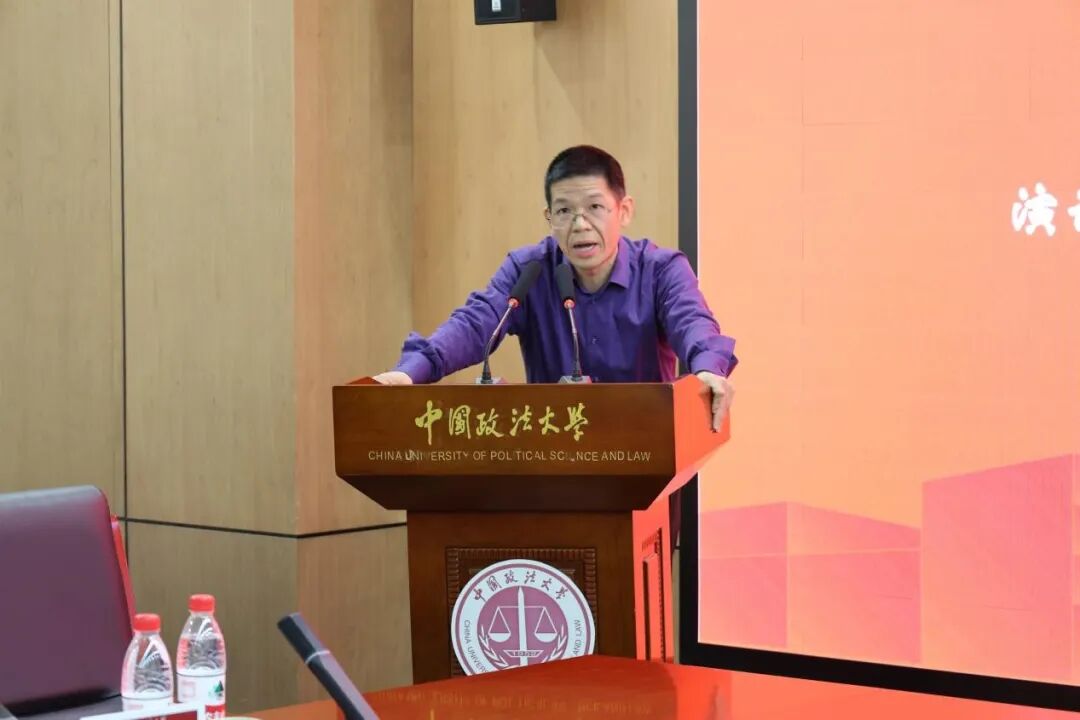
Professor Weng Wuyao pointed out that tax-related criminal law should move closer from special criminal law to general criminal law. The core of this transformation is to abandon the past tax exceptionalism logic of "heavy crackdown and broad criminalization", and instead follow the basic principles of general criminal law, including the principle of criminal restraint, the principle of legality, and the principle of suiting punishment to crime and criminal responsibility.
With the modernization of tax collection and administration realizing precise supervision, the legislative and judicial levels are striving to narrow the scope of incrimination for tax-related crimes, strictly limit the application of false issuance and tax evasion offenses to cases that have caused actual harm results, and eliminate the tendency of "conduct offense" and over-criminalization. At the same time, it adjusts the penalty structure, promotes the reduction of heavy penalties, and strengthens the application of decriminalization mechanisms and administrative prepositive procedures.
In essence, this transformation is to make tax-related criminal law return to the origin of legal interest protection, realize the transformation from "severe punishment" to "precise governance", and rationally protect the legitimate rights and interests of market entities and improve their tax compliance while safeguarding national tax interests. Professor Weng further pointed out that whether tax losses are caused or there is a real risk of tax losses is the core prerequisite for the application of tax-related crimes, which is fully consistent with the spirit of the 2024 SPC and SPP Judicial Interpretation on Tax-Related Crimes.
8. Speech by Associate Professor Xia Wei
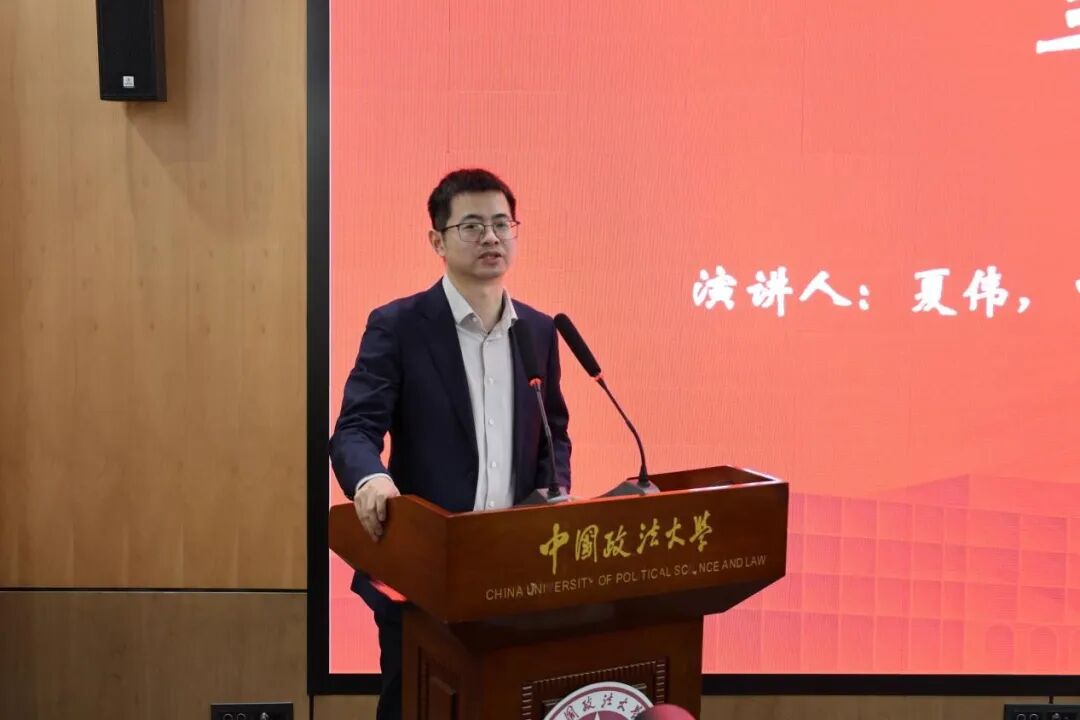
Associate Professor Xia Wei focused on the "two relationships and three understandings", providing a practical framework for the determination of tax crimes.
The two relationships refer to correctly understanding the relationship between invoices and tax, and the relationship between administrative illegality and criminal illegality: tax is the core, and invoices are the means of tax collection and administration. On the premise of ensuring tax collection, criminal law should maintain restraint towards pure invoice violations. Cases that only involve invoice violations without causing tax losses should be regulated through administrative means, and criminal penalties should not be applied.
The three understandings include:
- First, a correct understanding of the significance of dormant legal provisions. For example, for the crime of illegally selling special VAT invoices, under the current collection and administration conditions, it should be applied with caution in combination with practical needs to avoid mechanical law enforcement;
- Second, recognition of the limitations of the precedent law (tax law). Not all false issuance acts in the sense of tax law can be deemed as the crime of falsely issuing invoices under criminal law, and a comprehensive judgment must be made in conjunction with the constitutive elements of criminal offenses;
- Third, acknowledgment of the existence of loopholes in criminal law. Criminal law interpretation is conducive to clarifying boundaries, but cannot carry out analogical interpretation beyond the provisions of the law.
III. Open Discussion & Closing Remarks
1. Open Discussion
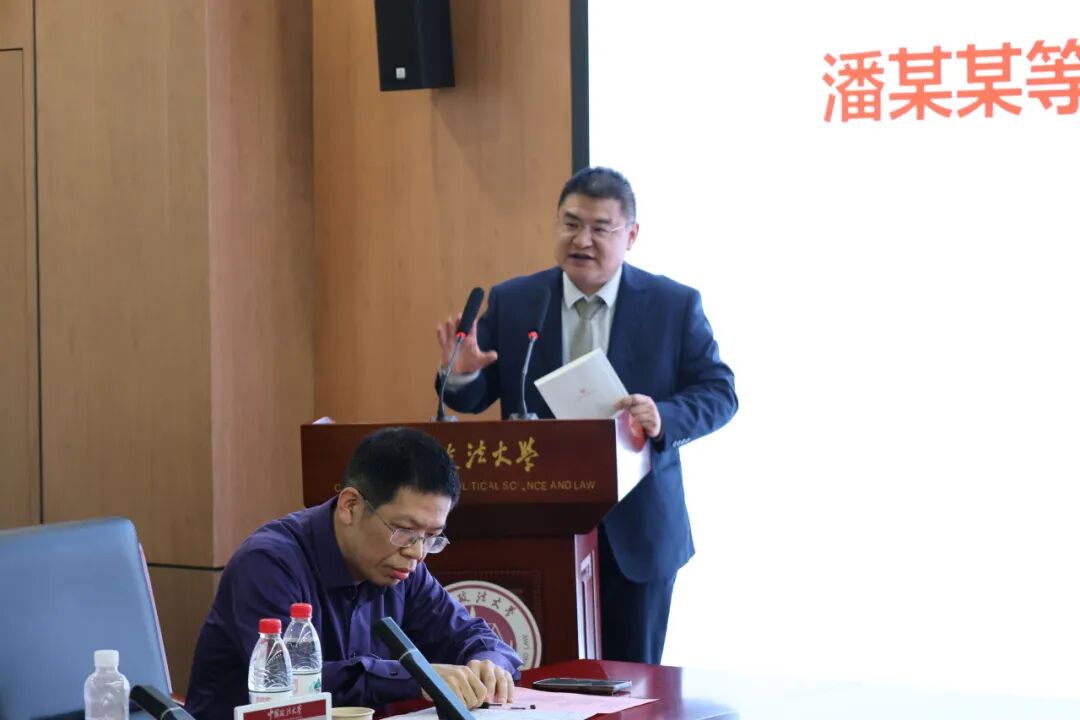
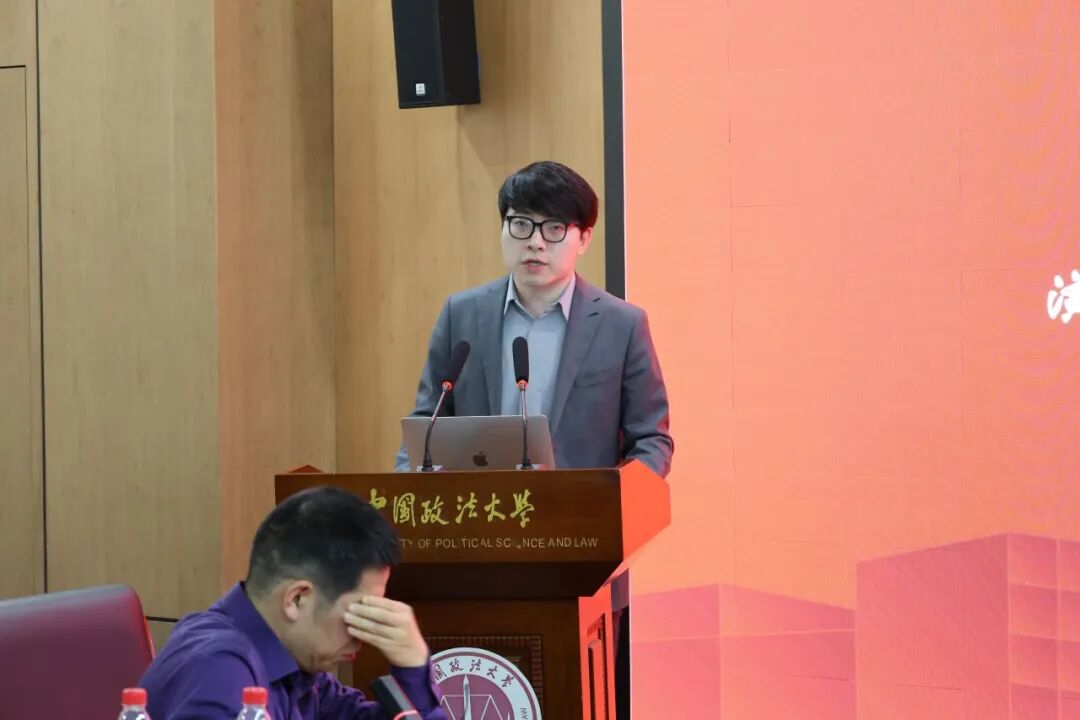
After the keynote speeches, the conference entered the open discussion session. Practitioners and scholars spoke in turn, including Wang Qiang, Partner of Beijing HuaShui Law Firm; Wu Jinmei, Full-time Lawyer and Chairperson of the Labor Union of Beijing Yingke Law Firm; Pei Anqi, Tax Partner of Dentons Law Firm; Li Hui, Director of the Tax Law Clinic of CUPL; Chen Yijing, Lecturer at the Law School of China University of Labor Relations; Zhang Mei, Tax Partner of DaHui Lawyers; Zhang Qian, Partner of Beijing HuaShui Law Firm; Xin Benhua, Senior Partner of Beijing Yingke Law Firm; Yang Shengming, Partner of Beijing HuaShui Law Firm; and Sun Fangzhou, Prosecutor of the Beijing Municipal People's Procuratorate. They exchanged views and shared practical experience around the core theme of the conference, further deepening the understanding of tax crime governance in the new era.
2. Closing Remarks by Professor Shi Zhengwen
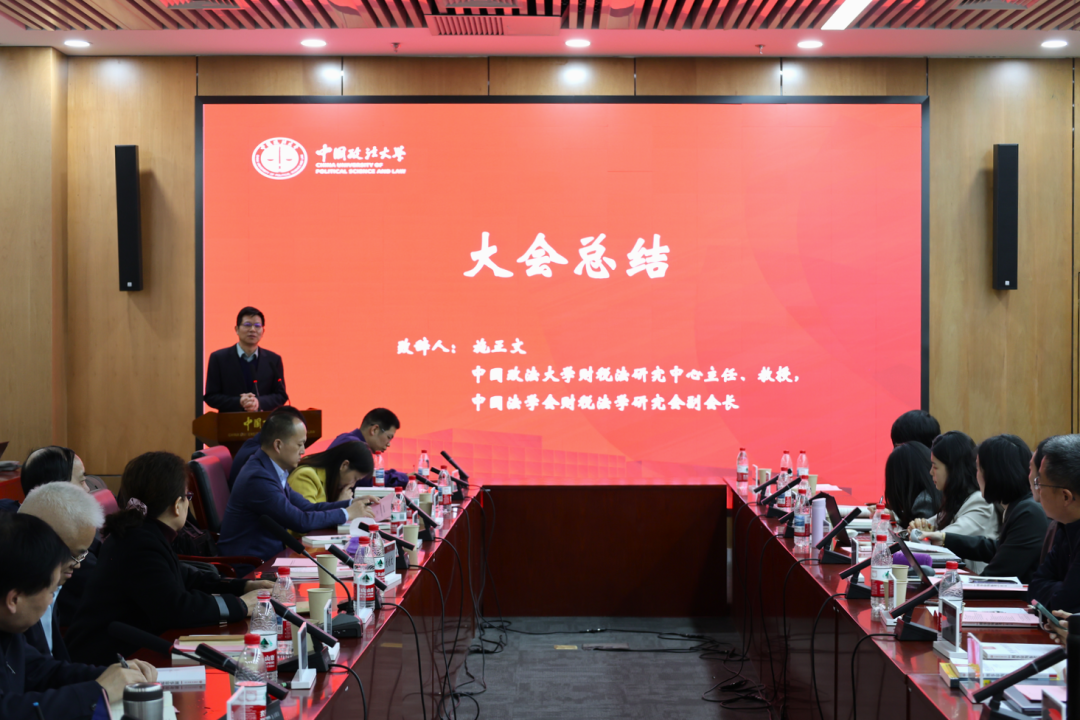
Finally, Professor Shi Zhengwen delivered the closing speech. He stated that this seminar has provided strong support for the criminal trial of tax-related cases and the construction of tax rule of law in China. He sincerely thanked the No.4 Criminal Tribunal of the SPC and the People's Court Press for their strong support for the conference, as well as all participants for their active engagement and in-depth discussions. He noted that the field of tax-related criminal rule of law has huge potential and promising prospects in the future.
This conference combines in-depth theoretical research with practical value. It is not only an ideological exchange focusing on the transformation of tax crime governance in the new era, but also an important measure to promote the standardization of trial practice for crimes against tax collection and administration. The release of the Criminal Trial Reference: Special Issue on the Punishment of Crimes Against Tax Collection and Administration provides authoritative trial guidance for practitioners and vivid practical materials for theoretical research.
The successful convening of the conference has further clarified the development direction of tax crime governance in the new era, built a joint governance force from the judicial, academic, practical and other sectors, and defined the key paths for trial practice. The speeches of experts and scholars have provided important reference for the reform of tax crime governance. Going forward, it is necessary to further deepen the theoretical research and practical exploration of tax crime governance, give full play to the guiding role of the special issue, promote the continuous improvement of the modernization level of the tax crime governance system and governance capacity, and provide a strong legal guarantee for creating a fair and just tax environment and escorting the high-quality economic and social development.
Source: Research Center for Fiscal and Tax Law of China University of Political Science and Law


